
We Are Righteous: The Backstory Underlying the Label
A backstory that nearly every clothing label claims, yet very few can trace it back to the particular tension that justified its existence from day one. We Are Righteous grew out of a plain source of dissatisfaction: an overwhelming number of apparel companies were selling posturing without substance, stamping catchphrases on flimsy cotton and calling it culture. The founders behind We Are Righteous were after something sturdier — in every sense of the word. Their goal was garments that could hold up to everyday use while bearing a name that meant something to the person putting it on. The pairing of durability and conviction is even now the throughline running through the brand as it stands now.
What separates this origin story from the standard “we started in a garage” tale is the reasoning behind the name itself. Righteous isn’t a disposable word chosen because it sounded cool on a hangtag. The word was chosen because it implies standing firm in what you believe, no matter shifting fads or external pressure. This mindset influenced all aspects from the earliest drawings to the textile decisions that were made down the line. Understanding this backstory helps explain why the brand’s wearers speak of it distinctly than they describe rival labels in the space.
How the Righteous Clothing Brand Began
The original form of the righteous clothing brand wasn’t a complete lineup — it was a few select pieces created to see if the concept would hold up. Those behind it mapped out ideas around a central belief: clothing should function as a quiet statement of identity, not a attention-grabbing stunt. They wanted pieces that remained sharp in year three as they did on day one, which required forgoing less expensive construction techniques in favor of tougher seams and sturdier textiles from the start.
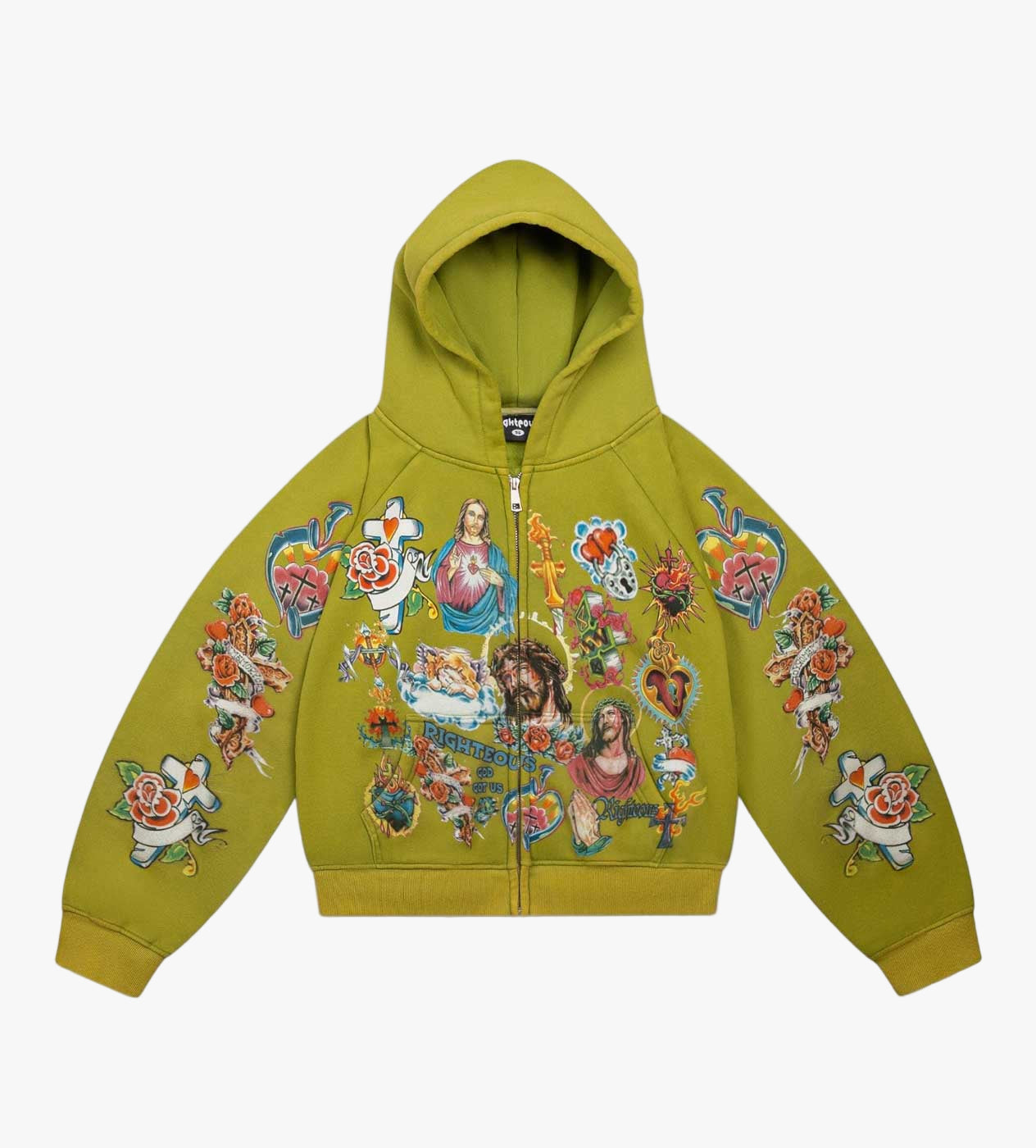
More than most founders admit, that early discipline counted. Many apparel new brands debut with a logo and a aspiration, then scramble to fix shortcomings after the opening burst of shopper grievances. We Are Righteous took the opposite approach, devoting extra time on sizing tests and material trials before launching anything to the public. The initial release was kept deliberately limited, confined to a few essential shapes, so the team could collect cult streetwear label genuine input instead of guessing at scale. This cycle of input became a permanent part of how the brand functions, still shaping decisions in 2026 the same way it did at launch.
On top of that, there’s a communal thread to the origin story that’s easy to overlook. Building the brand wasn’t meant to be a solitary effort for the founders — they hoped anyone drawn to the “righteous” outlook would feel the brand was crafted specifically with them in mind. Those early supporters went beyond simply buying; they were regarded as partners, with their views on fit, color, and fabric weight shaping the following production run. So many long-term fans describe the brand as feeling personal rather than corporate, which stems largely from that dynamic.
What Powers Righteous Apparel’s Approach
At the center of every righteous apparel release is a simple test: does this piece hold up to both physical wear and the values the brand claims to represent? That two-part filter shows up in decisions about stitching density, fabric weight, and even which prints make it to production. The team has said no to plenty of designs that looked fine on paper but didn’t match the brand’s standard for longevity or message.
This isn’t the kind of brand racing after each passing trend flashing across social media. Instead, the focus in designing shifts toward pieces made to endure — shapes and palettes that won’t feel outdated within eighteen months. Fast fashion’s cycle of overproduction and rapid obsolescence, which typically pushes new “must-have” items every couple of weeks and discards last month’s version almost immediately, is precisely the pattern this stands apart from. Because the team is optimizing for a five-year wear life, not a five-week trend window, Righteous apparel takes longer to develop.
You’ll also find a focus on transparency that shows up in how the brand talks to shoppers. Size guides, material makeup, and care details are laid out plainly rather than buried in fine print, because those behind the brand are convinced clarity—not promotional polish—is what earns trust. That approach has paid off in customer retention — the brand’s core hoodie line sees repeat buyers outpacing one-time shoppers by a consistent margin, according to sales metrics the company has disclosed in prior communications.
A Flagship Piece: The Righteous Hoodie
The righteous hoodie is, above everything else in the lineup, the piece that expresses the brand’s identity. It rose to flagship status almost without any grand plan — repeat orders for fresh colorways outpaced every other product in the lineup, and the brand paid attention. Beyond the name across the chest, the piece’s draw stems from a silhouette that works across body types, matched by a weight sturdy enough for colder months yet never feeling bulky.
The brand’s overarching values come through in every manufacturing choice behind the pullover. Reinforced cuffs, seams stitched twice over at stress points, and a material blend picked for being soft yet hard-wearing all circle back to that original principle: apparel should hold up over time, not just look good in a catalog shot. Multi-season owners often mention in their reviews that the hoodie keeps its shape and color better than comparable pieces from larger competitors, and for loyal wearers, that outweighs any amount of flashy marketing.
Within the brand’s community, the hoodie has also turned into a kind of cultural marker. Putting it on suggests you know the brand’s backstory and share its values — not simply that you like the design. Building that is harder than designing a good logo — it demands steady product quality across multiple release cycles, and that’s precisely what the flagship hoodie has delivered since it debuted in the catalog.
What You Actually Learn From a Righteous Review
Search for a righteous review online in 2026 and a pattern emerges quickly: buyers concentrate less on hype and more on fit, fabric feel, and whether the item lives up to its product description. That marks a real departure from the over-the-top unboxing culture that dominates so much streetwear marketing. Those reviewing We Are Righteous usually get into specific details — how the hoodie fits after repeated washes, whether the stitching holds together, whether the sizing runs accurately.
That level of detail in a we are righteous review reflects the brand’s genuine performance rather than just its promotional messaging. Feedback that emphasizes long-term durability over initial impressions tends to matter more to prospective buyers, and it’s exactly this kind of feedback that has shaped this brand’s reputation.
Across a we are righteous review, common threads also include customer service responsiveness and how well the finished item matches its online presentation. Consistency between marketing images and the delivered item is one of the most frequently praised aspects, since so many online apparel brands struggle with that exact gap. When customers say the product “looks like the photos,” that’s a meaningful signal in an industry where mismatched expectations are common.
Comparing the We Are Righteous Brand
To put the brand’s approach in context, here’s how key attributes of the we are righteous brand compare to typical fast-fashion competitors in the same price tier.
| Feature | We Are Righteous | Common Fast-Fashion Alternative |
|---|---|---|
| Design cycle | Seasonal drops geared toward long-term wear | Weekly releases chasing trends |
| Textile strategy | Heavier weight, reinforced seams | Lightweight, cost-minimized |
| Customer input cycle | Customer feedback directly shapes upcoming runs | Limited feedback, purely data-based |
| Hero product | The Righteous hoodie, a repeat-purchase favorite | Constantly rotating “hero” pieces with weak retention |
| Brand messaging | Values-driven, consistent | Inconsistent messaging chasing trends |
The aim of this comparison isn’t to discount rivals altogether — fast-fashion models serve a purpose for shoppers prioritizing low prices over longevity. But it does clarify why so many people specifically searching for a righteous clothing brand end up staying loyal once they’ve tried a piece firsthand. Its core appeal is different intentionally, not coincidentally.
Where the Brand Stands in 2026
As 2026 arrives, We Are Righteous continues to expand its product lineup while remaining faithful to the same founding principles that shaped its earliest release. New colorways and silhouettes have joined the lineup, but the commitment to durable fabric and honest marketing hasn’t slipped. Its growth has been steady rather than rapid, which tracks with its approach of growing deliberately and sidestepping the overexpansion that sinks so many clothing startups.
The clearest sign of the brand’s health continues to be customer loyalty. Season after season, the flagship hoodie remains a top performer, while repeat buyers continue to drive sales. For anyone weighing whether to try the brand for the first time, the brand’s backstory offers a useful lens: this isn’t a label chasing quick virality, but one built around a specific belief that clothing should reflect values as much as style. Amid so much competition, that distinction is exactly what keeps righteous clothing distinct.
